

Before the ancient Athenians got down to democracy, someone had to bring out the sacrificial piglets.
A piglet would be killed and its body carried around the assembly grounds, a ritual believed to cleanse the space of spiritual contamination. Prayers followed, along with curses on anyone who might mislead the gathering. Only then came the invitation: “Who wishes to speak?”
It’s a detail that tends to get left out of the familiar story about the birthplace of democracy. The citizens debating public business weren’t leaving their gods at the door.
With Americans gearing up for election day, we thought this overlooked religious history might give you something to chat about as you wait in line at your nearest polling station. Faith has had a hand in the proceedings since long before anyone started handing out “I Voted” stickers.
The Gods Had Business on the Agenda
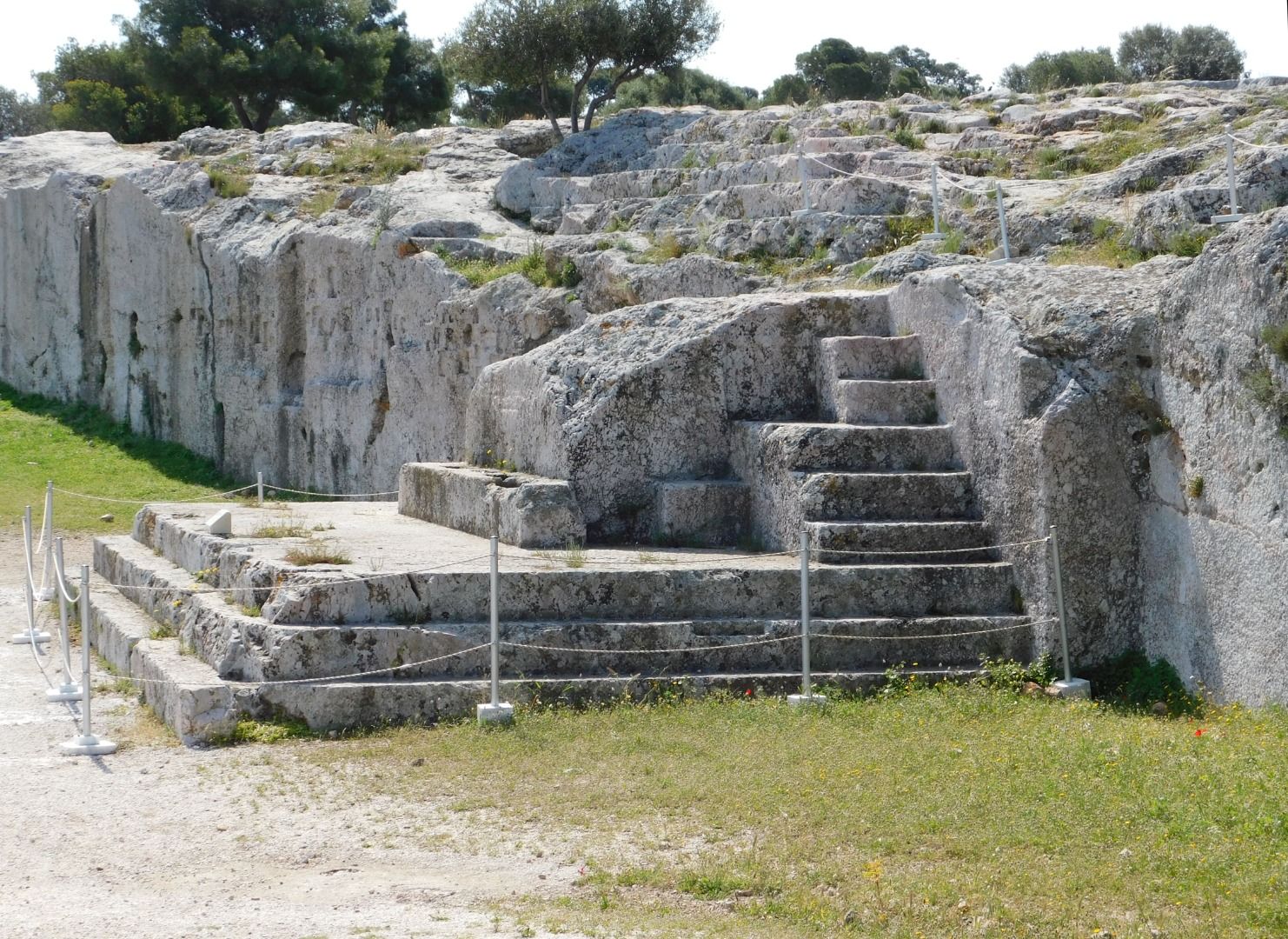
The Athenian assembly met outdoors, traditionally on the Pnyx hill, where male citizens debated and voted directly on public affairs. Poor men could participate, too: citizenship depended on ancestry rather than wealth, generally requiring two Athenian parents after a law introduced in 451 BCE. Women, enslaved people, and resident foreigners were excluded from the electorate. Most votes were taken by a show of hands.
Once the gruesome pig parade was over, the gods still had business on the agenda. As historian Hugh Bowden explains in Classical Athens and the Delphic Oracle, the fourth-century BCE speaker Aeschines described sacred matters coming before the discussion of foreigh affairs and other civic concerns.
Maintaining diplomatic ties with the gods, you might call it. The assembly’s responsibilities included keeping on good terms with Mount Olympus, alongside the more terrestrial business of government.
That makes the curse on dishonest speakers especially striking. Athenians expected argument and persuasion, but they also invoked divine consequences against people who abused the proceedings... imagine Anderson Cooper adding the threat of divine intervention to the instructions at a candidate debate!
The Monks With Secret Ballots
For Buddhist monks settling a religious dispute, the trouble could come after the votes were counted.
The Vinaya, the body of monastic discipline, describes majority voting as a way to resolve certain disputes after other efforts fail. In Buddhist monk Thanissaro Bhikkhu’s explanation of these rules, the official distributing voting tickets must be free of bias arising from desire, aversion, delusion, or fear.
Different colors represent different sides, and the procedures include some of the earliest examples of confidential voting. One instruction for a secret ballot is wonderfully direct: “Take one, but don’t show it to anyone.”
The official also had to consider whether voting would preserve the monastic community and uphold the Dhamma, the Buddha’s teaching. If he determined that the side contrary to that teaching had won, he was instructed to annul the ballot and conduct another vote.
The monks may have been ahead of their time by calling for confidential ballots, but when push-came-to-shove they still couldn't stomach the idea that the popular vote could overwrite their religious traditions.
When the Church Needed an Election Rule
The medieval Catholic Church faced a different difficulty: getting rival factions to accept one man as pope.
In 1179, the Third Lateran Council established a two-thirds requirement for papal elections. Earlier rules had failed to prevent division caused by “the audacity of wicked ambition,” the decree complained.
Apparently, even the (ostensibly) most holy men in Europe needed some internal safeguards.
The new rule gave a clear answer when unanimity failed: a candidate supported by two-thirds of the cardinals was to be recognized as pope. A rival claiming the office with only a third of the votes, along with those accepting him, faced excommunication. The decree also rejected candidates elected with less than two-thirds unless greater agreement could be reached, and threatened the same penalty if they refused to stand aside.
There was a practical reason to settle this in advance. As the council observed, a disputed papal election couldn’t be referred to a higher church authority... after all, the only higher authority was God.
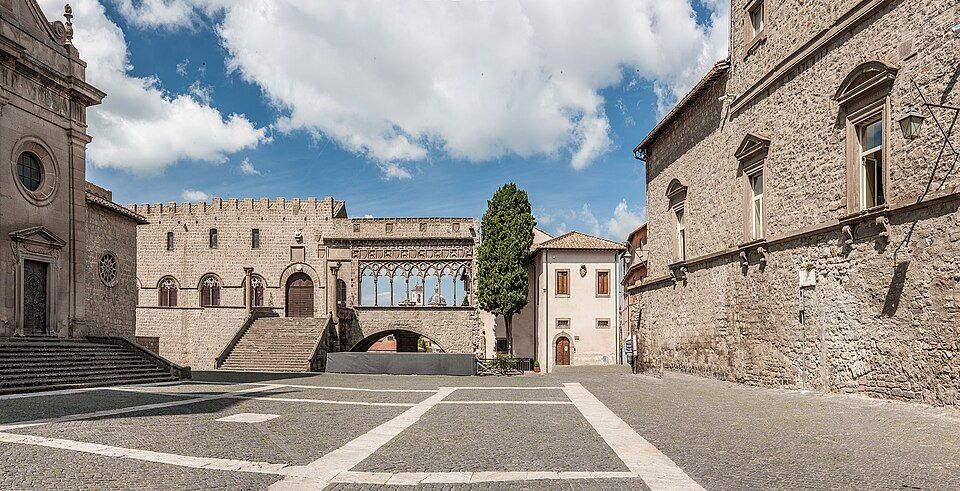
The townspeople of Viterbo found another way to intervene: during a papal election that dragged on from 1268 to 1271, they eventually became so fed up with the indecision that they locked the cardinals inside, restricted them to bread and water, and even removed the palace roof to encourage a decision. Apparently, divine guidance sometimes needed help from catering.
Today’s conclave still requires a two-thirds majority, though its procedures have changed over the centuries. Eligible cardinals under 80 cast secret ballots in the Sistine Chapel, before Michelangelo’s Last Judgment. Prayer accompanies the voting, and each name is read aloud during the count. The ballots are pierced with a needle and threaded together for safekeeping before being burned. Black smoke announces that no pope has been chosen; white smoke signals a successful election.
For all the ceremony, the cardinals still have to produce enough votes for one person.
Your Church Membership, Please
In Massachusetts Bay, you could be kept out of the decision long before anyone counted a ballot.
A May 18, 1631, order restricted admission to the colony’s body politic to men who were members of its churches. Its stated purpose was to preserve a community of “honest and good men.”
What makes a man “honest and good”? Church membership was apparently a promising start... provided it was the right church. The Massachusetts Commonwealth Museum describes an electorate of adult male church members that excluded Quakers, Baptists, Jews, and Catholics, as well as women, Africans, and most Native people.
The Puritan leaders sought to build a government accountable to their community... they just had a very, very narrow definition of what “community” meant. Our examination of the “Christian nation” argument explores how slippery that label can be. Here, even being Christian wasn’t enough: Puritan churches controlled admission to the religious community on which political participation depended. Other Christians didn’t automatically get a say.
For those lucky enough to be admitted, elections could be lively and inventive. The Commonwealth Museum records voting by voice, by dropping corn kernels or beans into a basket, and, beginning in 1634, by writing a candidate’s name for governor on paper.
There’s also a wonderful Puritan contradiction: Massachusetts Bay made Election Day a holiday, but in 1659 banned celebrating Christmas. Apparently, choosing a governor was a more acceptable reason to take time off.
Why Tuesday? Ask About Sunday
Religion could also shape an election without appearing on a list of voter qualifications. Sometimes it was enough to arrange the calendar around church.
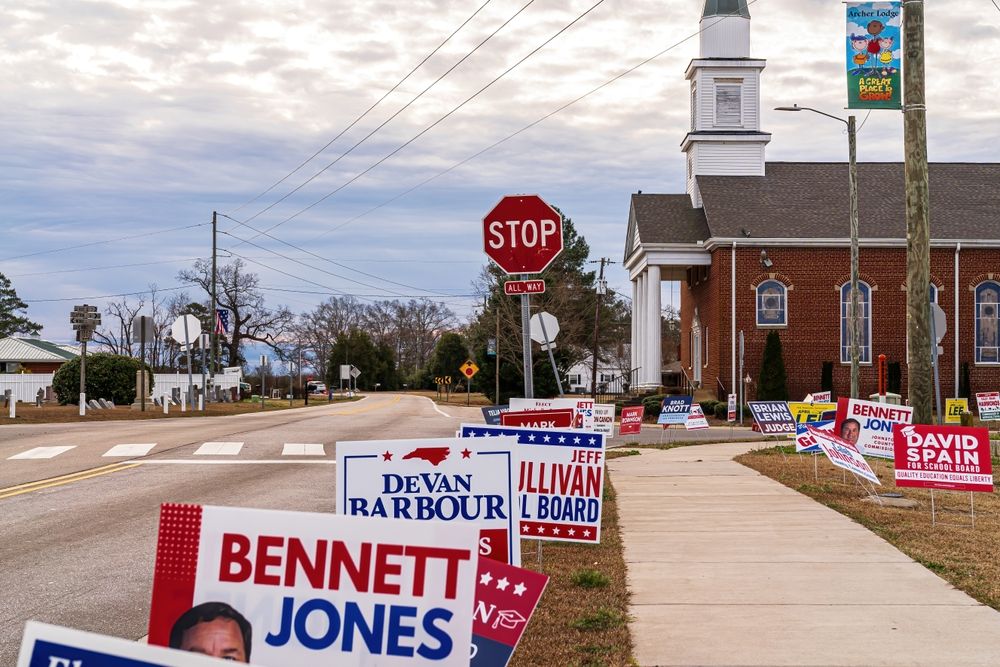
In 1845, Congress established a uniform day for choosing presidential electors: the Tuesday after the first Monday in November. An 1872 law later aligned House elections with that schedule. This year’s federal Election Day falls on November 3.
The law fixed the date. Historians help explain why Tuesday suited the people expected to turn up.
In a 2012 NPR interview, then-Senate historian Don Ritchie explained the logic: some rural voters needed to travel to reach the polls. A Monday election could require Sunday travel, which would interfere with the Christian Sabbath. And because Wednesday was often market day, they also wanted to ensure that something as pesky as democracy wouldn’t get in the way of shopping! Tuesday left Monday available for the trip into town.
November also fit the agricultural calendar, falling after the autumn harvest and before the harshest winter weather. The Congressional Research Service identifies both that seasonal timing and avoiding Sunday travel in its account of the date’s history.
So, the next time you’re standing in line to vote on a chilly Tuesday afternoon, just know that you’re there to appease a particularly pious 19th-century farmer.
A Vote and a Higher Authority
You (hopefully) won’t encounter a sacrificial piglet at your polling place, and your church membership won’t determine whether you get a ballot. But the Tuesday on your calendar still carries a traces of societies throughout history that planned their elections around worship.
These histories leave room for very different answers to whether voting is a sacred act. Religion has helped determine who gets a say, which results a community accepts, and when voters make the trip. What the act means to the person casting the ballot is another matter.
When you cast a vote, do you see it as a civic responsibility, a spiritual obligation, or something else?

I see voting primarily as a civic responsibility and a privilege that comes with living in a democratic republic such as the United States. I don’t view it as a spiritual obligation, but rather as an opportunity to exercise independent thought, personal judgement and reason.
Our vote is our voice in shaping the society we live in, and I believe we have a responsibility to use it thoughtfully, based on evidence, principles, and what we believe will best serve the future of our country and its people.
🦁❤️