

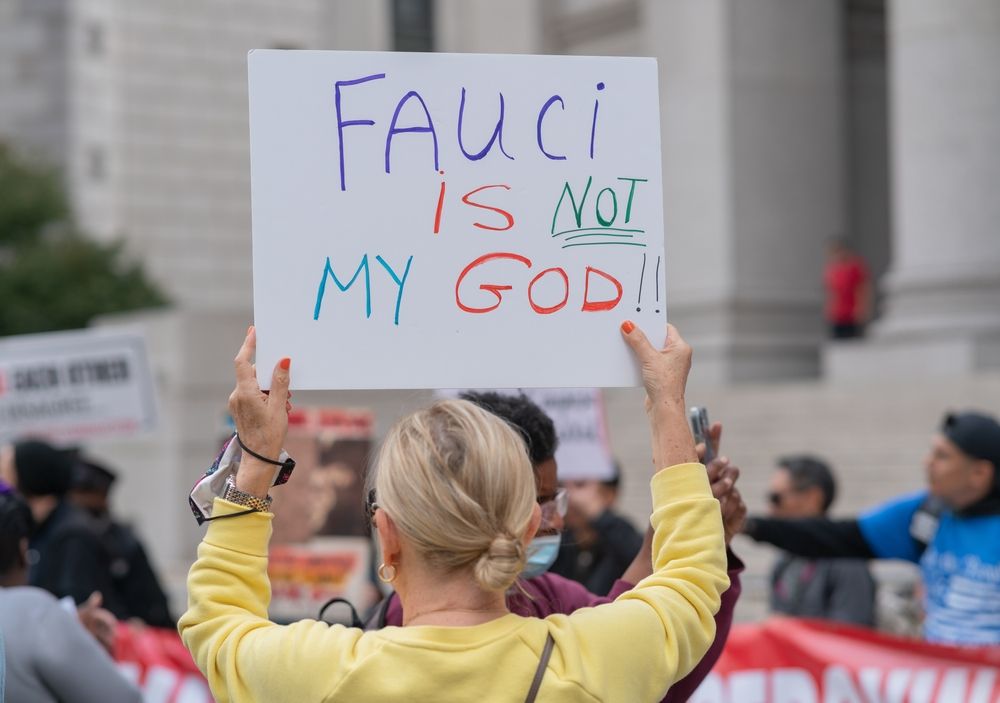
It was the fall of 2021, and Andrew Perry had a problem that could affect the rest of his professional life: how could he get vaccinated without his mom finding out?
His father knew about the secret mission. So did the chair of his nursing department at Dordt University in Iowa. The person he couldn't tell was Gayln Perry, his mother, who had threatened to stop paying for his education if he received the COVID-19 vaccine.
Perry wanted to become a nurse. He liked his professors and the friends he'd made at Dordt. But the hospitals where nursing students completed clinical rotations were requiring vaccination, and his parents paid for practically everything: tuition, housing, meals, and spending money. Defying his mother could mean being forced to leave school.
In November, he asked Dordt for a religious exemption, explaining that his Christian faith required him to treat his body as God's temple. Five years later, that request would lead the Iowa Supreme Court to consider a question that sounds simple until somebody's future depends on it: Who gets to decide whether you really believe what you say you believe?
Making His Faith His Own
Dordt, in Sioux Center, is a Christian university rooted in the Reformed tradition. Perry grew up Christian and chose the school partly because of its religious identity. His nursing education, however, depended on spending time at outside medical facilities. Dordt itself had no campus-wide COVID vaccine mandate; its clinical partners required the shot or an approved exemption.
That put the university in charge of reviewing requests for religious exemptions. As COVID vaccine mandates spread, some people sought religious exemptions over the use of fetal cell lines in vaccine research, while others cited biblical teachings about the sanctity of the body or faith in divine healing. In one study of 565 religious exemption applications at a U.S. medical center, researchers found that 27 percent contained passages cut-and-pasted without attribution from online templates. Borrowing someone else's words didn't necessarily mean an applicant was insincere, but it made the task of determining what people actually believed even trickier.
For its part, Dordt's three-member committee wanted two things from applicants: a published statement showing their denomination opposed vaccination, and proof they'd previously received religious exemptions during their K–12 schooling.
Perry didn't supply either. What he did send, on November 14, 2021, was a personal letter describing his Christian faith.
He remembered a ceremony held by his childhood church as graduating seniors prepared to leave home. They were challenged to “make our faith our own.” Perry wrote that this call had stayed with him. He cited the apostle Paul's description of believers as God's temple in 1 Corinthians 3 and argued that accepting something he believed posed a danger to his body would violate his duty to care for what God had given him.
His letter also described efforts to live more healthfully, including staying active and losing weight. He said refusing the shot would test whether he could act on convictions he understood as his own, even when going along with it would be "easier."
There was another letter in the university's hands. Three days before Perry submitted his request, his parents sent Dordt's chief of staff, Aaron Baart, four pages supporting an exemption that their son hadn't even formally requested yet.
And there was another complication: months earlier, Perry had told the nursing department chair, “I personally do not have a problem with the vaccine. The main issue revolves around my parents’ beliefs and concerns.”
On December 2, the committee rejected Perry's application. The denial stressed his missing documentation and explained that it was “virtually impossible for us to recognize a personally held religious belief” without denominational backing.
Dordt had granted another student's request after that student provided the required documents. The university defended its checklist as a way to assess exemptions for its clinical partners and argued that a religious school could establish criteria consistent with its own tradition. Perry countered that the policy favored established denominations over independent convictions. It offered little room for a recent convert or someone whose childhood vaccination records reflected their parents' faith rather than their own.
A Mother Who Wouldn't Budge
But Dordt's lawyers had a more immediate problem with Perry's account. They argued that his objection had always been his mother's, not his.

In fact, just months earlier in April of 2021, Perry had volunteered and trained to help administer COVID vaccines to other people. The following month, when the nursing program warned that a clinical site would require vaccination, his mother, Gayln, contacted the department chair to object. She was a physician, according to Perry's own appeal, and sent messages about the dangers she believed the vaccine posed.
Perry's own email that May was different. He wanted to respect his parents, he said, but worried their objections would interfere with his nursing education. By the fall, he and his father had discussed the possibility of him getting vaccinated in secret. Even in December, his father raised that idea with a Dordt administrator.
Even after the university denied the exemption, Perry was still hoping to get his mother's permission. In May 2022, he texted her asking her to “please think deeply about what you are asking of me.” He later testified that he likely would have taken the shot if she had agreed.
From Dordt's perspective, those exchanges were far more revealing than the religious language in his exemption letter. The university also argued in its appeal that its committee knew about Perry's earlier willingness to be vaccinated when it rejected his application. Its written denial, however, emphasized the missing denominational and school records.
For Perry, the consequences were concrete. After 20 other nursing programs refused to accept his transfer credits or accommodate his vaccination objection, he finally found a school that would take him: Palm Beach Atlantic University in Florida. He finally finished his nursing degree in spring 2025, about two years later than planned. Perry testified that the transfer added roughly $75,000 in tuition costs.
He sued Dordt in 2022 under Iowa's civil rights law, saying it had discriminated against his religion.
Was His Body Really a Temple?
At the 2025 trial, Dordt's lawyers asked Perry about something else he put into his body: nicotine.
Perry acknowledged that he vaped. He also admitted he'd gotten drunk with friends. The judge observed an obvious tension with the exemption letter's claim that his faith forbade him to put substances he considered harmful into his body.
But another detail made those admissions especially revealing to the trial court: Gayln objected to his vaping, too. She just hadn't threatened to cut off his tuition over it, or over excessive drinking.
That comparison invites a fair challenge to Perry's explanation. Why was the vaccine the one risk he couldn't accept, when it was also the one risk that might cost him his parents' financial support?
It's possible to take care of your body and still indulge in habits you know aren't good for it. A Christian who drinks too much on Saturday might still sincerely believe God calls them to care for their body on Sunday. The law doesn't demand faultless obedience before it recognizes religious faith.
The Iowa Supreme Court acknowledged exactly that, borrowing a memorable line from federal judge Richard Posner: where would religion be without its “backsliders, penitents, and prodigal sons”?
Perry argued that the court shouldn't have used his vaping and drinking against him, particularly since Dordt hadn't known about either when it denied the exemption. The justices disagreed. A trial judge deciding sincerity could consider evidence uncovered later, they said, including how a person's conduct lined up with the professed belief.
Still, the justices stressed that the vaping and drinking weren't the decisive evidence. The trial judge had found Perry's explanations inconsistent, especially when compared with his earlier emails, deposition, and account of what he would have done had his mother approved the shot. The Supreme Court saw no reason to overturn that credibility finding.
Who Gets to Judge?
The October 23, 2026, ruling, written by Justice David May and joined by every other justice, answers the headline question with a qualified yes.
The justices accepted, for purposes of the appeal, that Perry's body-as-temple argument could qualify as a religious belief. Judges cannot rule that a particular interpretation of Christianity is wrong, too unusual, or out of step with what a denomination teaches. They can ask whether a person actually holds that interpretation. Otherwise, anyone seeking an exemption could invoke religion without being asked to explain it.
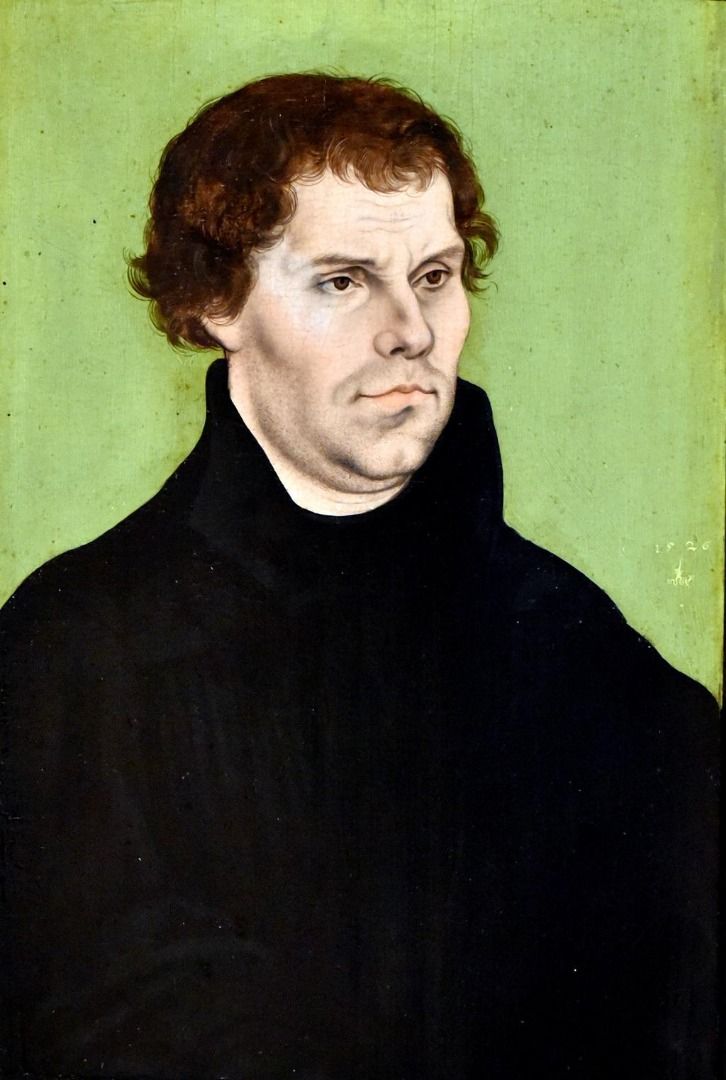
In fact, the opinion reaches for two well-known religious dissenters, Martin Luther and Søren Kierkegaard, to make the case for protecting people whose beliefs defy institutional authorities. It also quotes an earlier court's reminder that “Heretics have religious rights.”
That's worth remembering in a case involving a university that asked for denominational approval. A person can sincerely disagree with a church, or hold religious convictions without belonging to one at all. We've even reported on a humanist who secured a religious accommodation from using AI at work, without relying on the teachings of a church.
The court left one of Perry's most interesting arguments unanswered: it did not decide whether Dordt was legally entitled to demand a denominational statement and a history of childhood vaccine exemptions. Perry lost on a narrower ground: the trial court concluded his professed objection wasn't genuinely his, and the Supreme Court upheld that finding.
The trial judge even suggested a different biblical argument might have fit Perry's behavior better: the commandment to honor one's father and mother. But Perry had not claimed that obeying his parents was the religious duty behind his exemption request.
Perry did end up becoming a nurse. Dordt won the lawsuit, but its rules demanding church endorsements and childhood exemptions were left legally untested. For the judges, his mother's financial ultimatum and his own words were enough to settle the dispute.
When someone requests a religious exemption, what should count as evidence that their beliefs are sincerely held?

0 comments